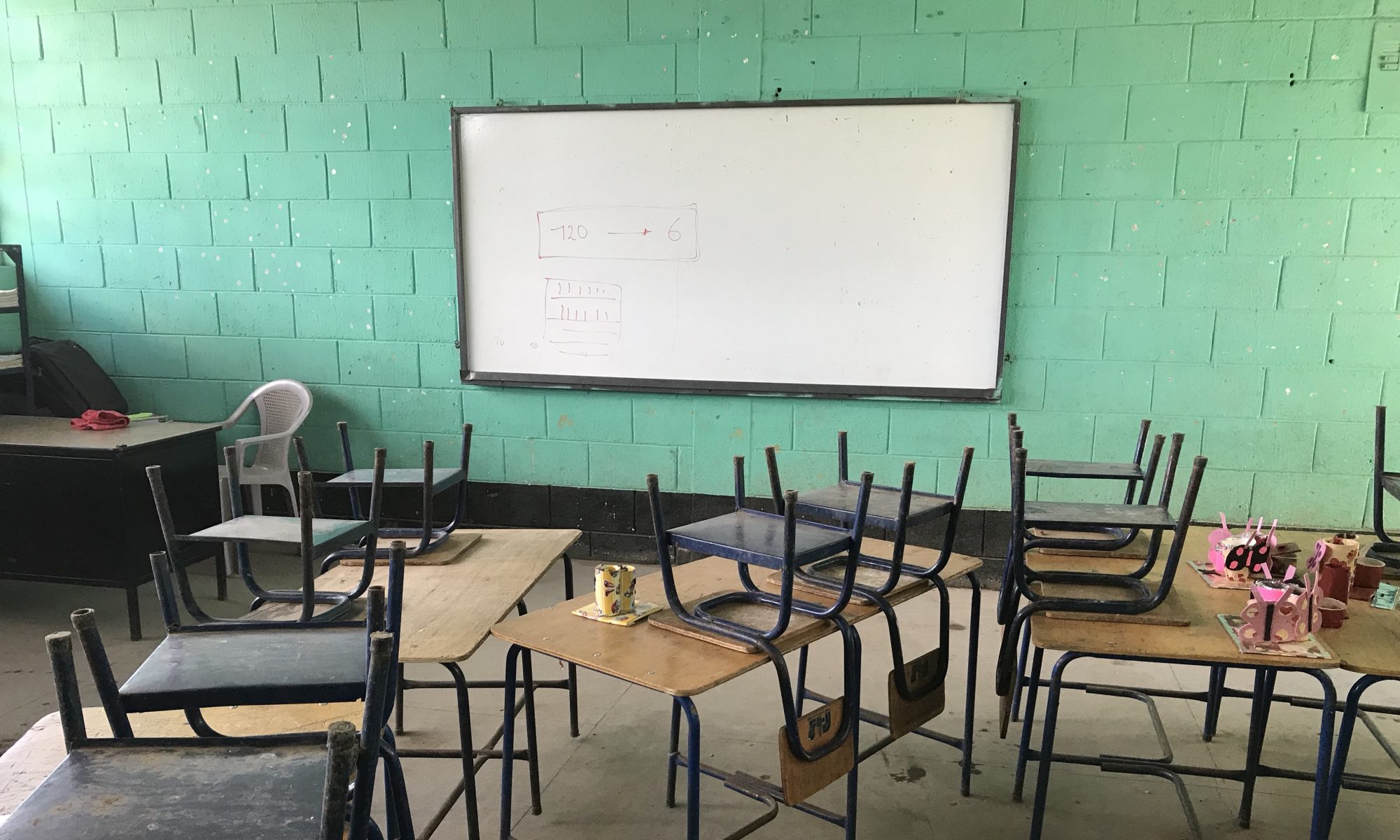
Global conditions of rising socio-economic inequality and environmental precarity continue to result in increased human mobility. My program of research, which centers community dignity and self-determination of migrating populations, addresses the current divide between community desires and developmental policy. Through this work I illuminate how experiences of racialized exclusion intersect with enduring coloniality and the social and material contexts of extensive migration. This research demonstrates how formal education, positioned as an antidote to youth migration by development actors, becomes a site through which youth enact embodied practices of survivance, endurance and hopefulness as they redefine what it would mean to receive a dignified education and create livable futures.
My research, at the intersection of anthropology of youth, mobility studies, anthropology of education, and studies of transnational development, enriches our understandings of the myriad ways in which contemporary migration impacts not only migrating people and their families, also the communities they have left behind, and illuminates the life-making strategies within those communities. There are three strands of my current research agenda: 1) the articulations of development, migration and education, 2) youth diaspora and political organizing the migratory wake, 3) community practices of futurity in contexts of precarity.
The Articulations of Development, Migration and Education
My current book project, Fighting to Stay: Guatemalan Indigenous youth striving for non migration analyzes youth aspirations for non-migratory futures in contexts of extensive migration.
Global conditions of rising socio-economic inequality and environmental precarity continue to result in increased human mobility, and yet, in every community there are people who remain. This book asks how it is that immobility becomes desired and sought after by young people in social-geographic contests of extensive mobility? What does it mean to live and make futures in these contexts? What do practices of immobility look like and how are they related to the larger social and material fields into which youth are embedded?
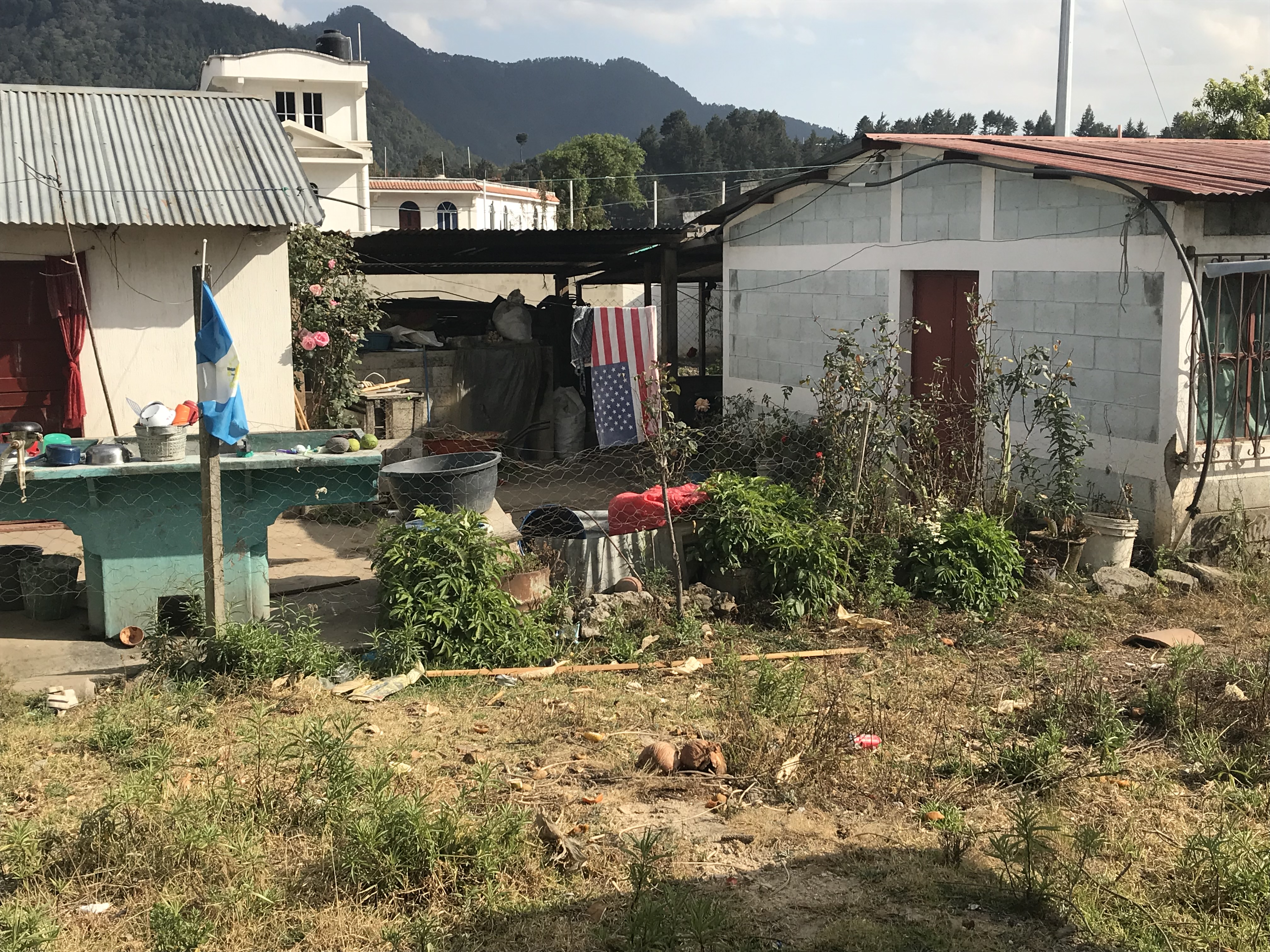
Integrating seventeen months of multi-sited ethnographic participant observation with archival research, this project examines how Indigenous Guatemalan youth reckon with, and leverage, the changing material and social realities that migration produces within their communities. Bringing into conversation anthropologies of migration, education, and development, with the work of critical indigenous and feminist scholars, I argue for the productive reframing of migration as a problem-space rather than an assumed outcome. In chapters that center the material and social impacts of migration in the everyday lives of those who stay, the emergence of youth migration-prevention as a transnational development project, and the formation of diasporic political consciousness, I show how young people come to contest pathways of opportunity represented by transnational migration and regional development interventions in their search for an alternative future.
This book enriches our understandings of how contemporary migration impacts not only migrating people and their families, but also the communities they have left behind, highlighting the future-making strategies made possible in the afterlives of migration.
Publications resulting from this research
Nichols, B. Nothing is Easy: Educational striving and migration deferral in Guatemala. Journal of Ethnic and Migration Studies. DOI: 10.1080/1369183X.2021.1877122
Nichols, B., Umana, K., Britton, T., Farias, L., Lavalley, R., & Hall-Clifford, R. Transnational Information Politics and the ‘Child Migration Crisis’: Guatemalan NGOs Respond to Youth Migration. VOLUNTAS: International Journal of Voluntary and Nonprofit Organizations, 28(5),1962-1987
Nichols, B. & Farias, L. Maternal Care in Guatemala: Problematizing discourses of development, transnational advocacy, and indigeneity. In Maternal Death and Pregnancy Related Morbidity Among Indigenous Women of Mexico and Central America, 553-566, Springer.
Youth Diaspora and Political Organizing
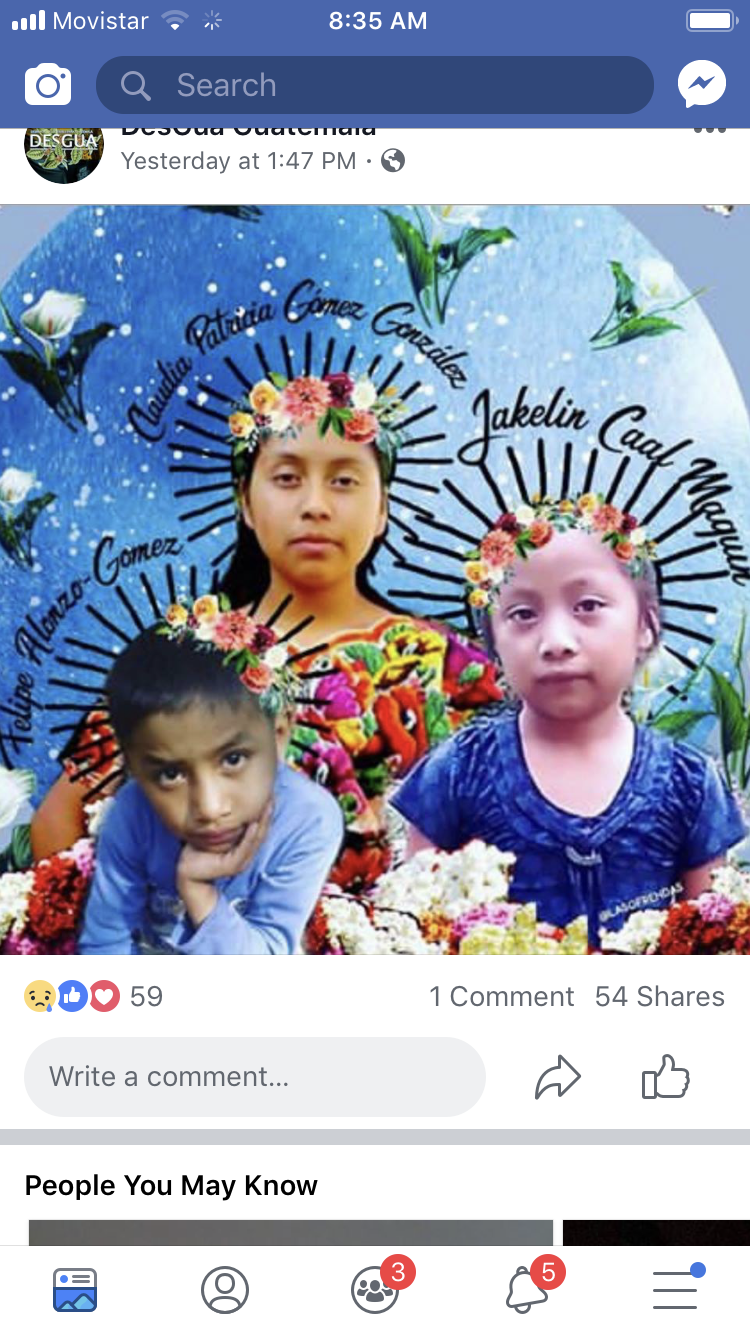
This research considers the diasporic practices of young people living in contexts of significant mobility, seeking to understand how already deterritorialized communities emerge as political actors by drawing on diasporic knowledges. I understand diaspora to be the “subset of relations and transformations” that enable the “imaginative worlds and cultural productions” of migrants and non-migrants alike (Dyrness and Sepulveda, 2015; Lukose, 2007). This latter category of non-migrants is a more recent inclusion into theorizations of diaspora, which decenters movement across boundaries and reconsiders diaspora as a “transnational geography.” In defining diaspora through the linkages and articulations of cultural, historical and political projects across space and time this research decenters physical movement, resulting in diasporic subjectivities for people who leave, stay, return or are stuck in geographic liminality.
Publications resulting from this research
Nichols, B. Disruptive Bricolage: Indigenous politics, development and migration in Guatemala. Ethnologies. (In publication).
 Briana nichols